Qashib — A Kufic typeface in fresh garb
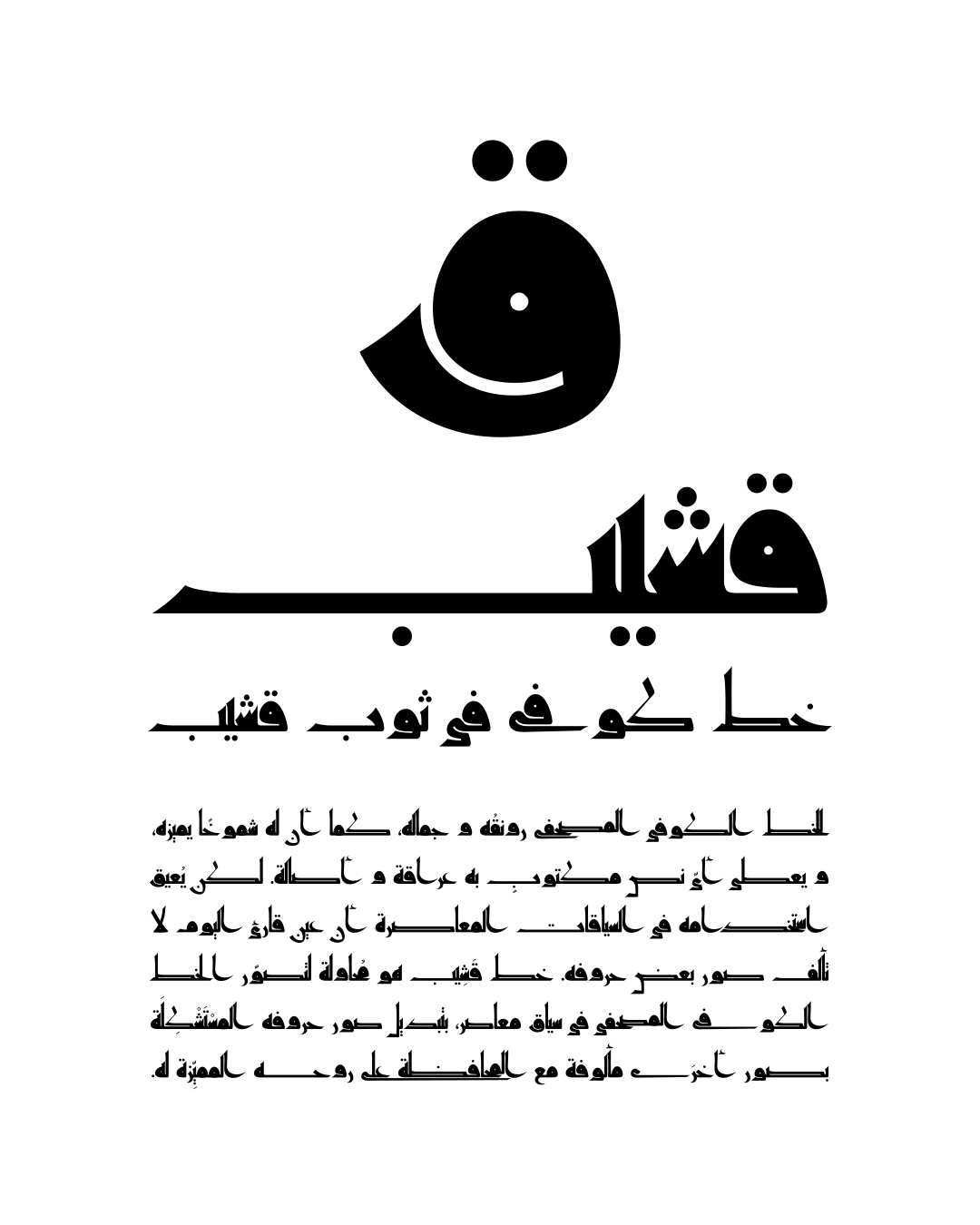
Manuscript Kufic is a magnificent Arabic calligraphy style of epic proportions, lending any text written in it a sense of heritage and authority. However, some of its letter forms are so archaic that they are undecipherable to the untrained modern reader, which makes it unsuitable for use in modern contexts. Qashib is an attempt to reimagine manuscript Kufic by replacing its most unfamiliar letter forms with alternatives that are closer to contemporary Arabic letter forms, while maintaining its distinctive spirit.
Qashib means new or fresh (like in new garb), but it also means sharp-edged (like in a sharp sword), which is a nod to its fresh take on manuscript Kufic, as well as its sharp and clean-cut appearance.
Qashib is a free, open-source project, and anyone is welcome to use and modify it under the terms of version 3 of the GNU Affero General Public License.
Character set
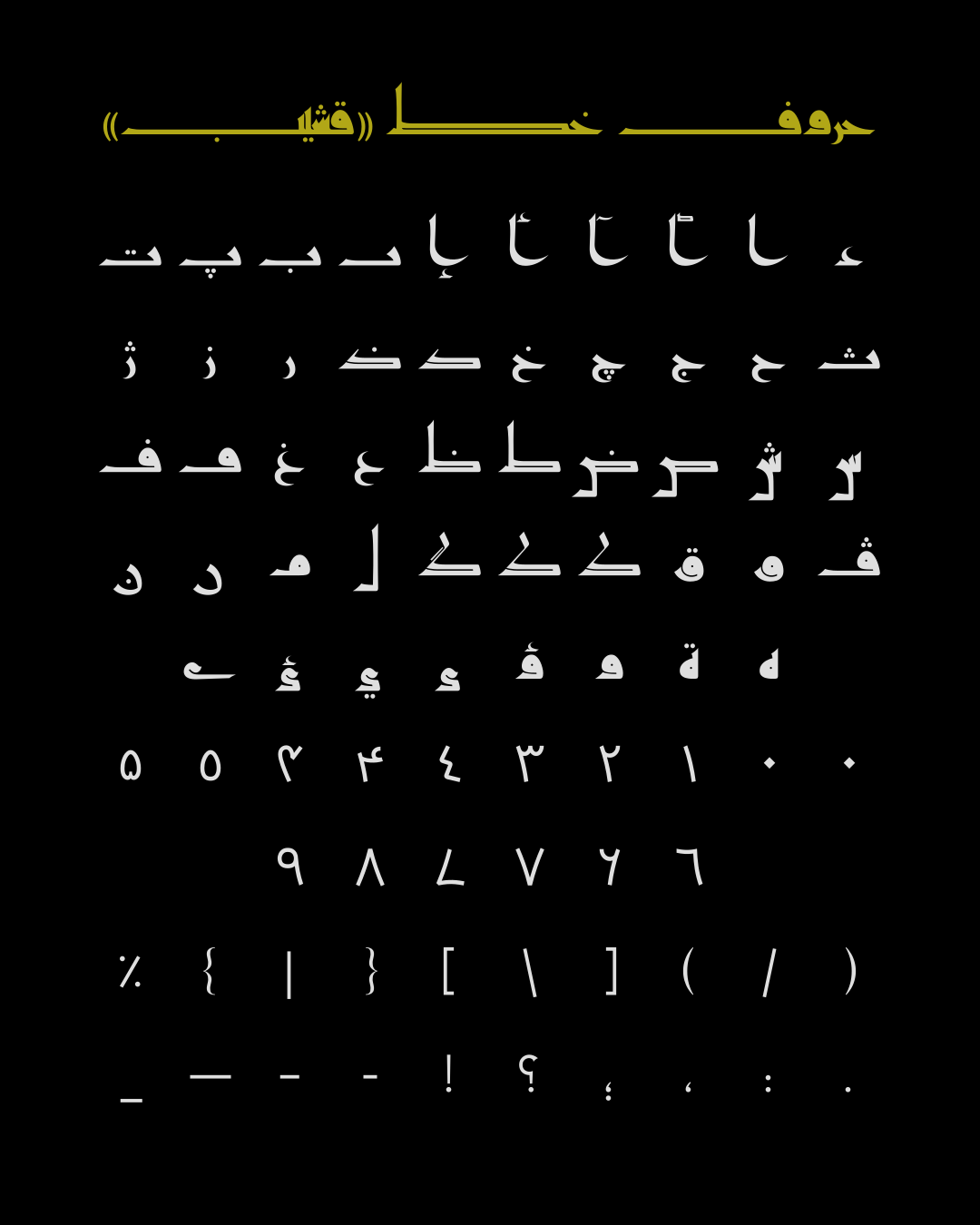
Qashib supports Arabic and several extended Arabic-script languages, with Arabic digits and punctuation designed to match the spirit of Qashib letters.
Letterforms
Some manuscript Kufic letterforms are difficult to read for those unfamiliar with them, because they can be confused with other letters in the styles of Arabic commonly used today. The following letters are, in my opinion, the hardest to read, so I have chosen alternate shapes for them in Qashib.
Hah
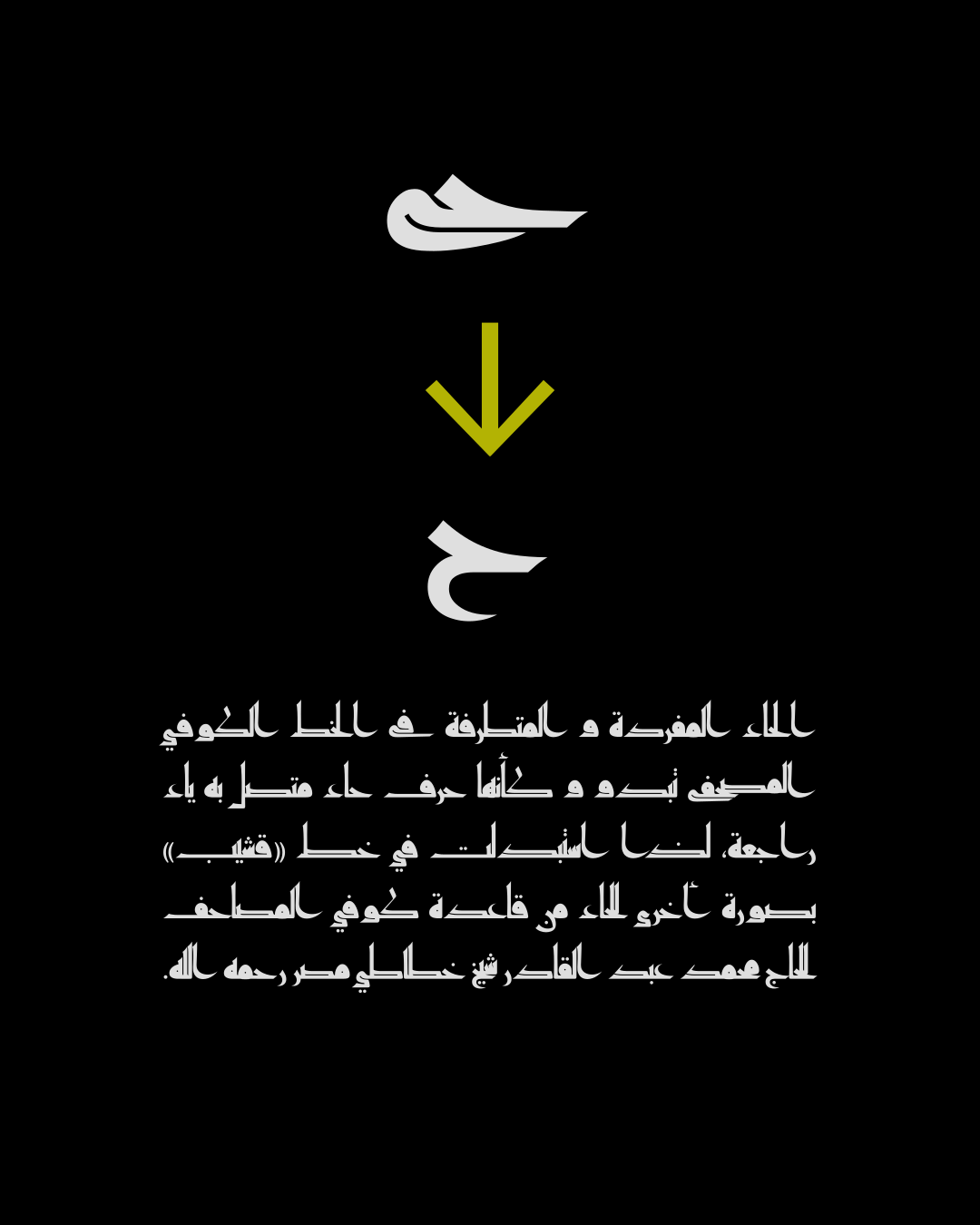
The isolated and final hah in manuscript Kufic looks like a hah with a returning yeh attached to it. In Qashib it is replaced with another form of hah from the manuscript Kufic that was codified by the late Egyptian master of Arabic calligraphy Mohammad Abdul Qadir.
Ain
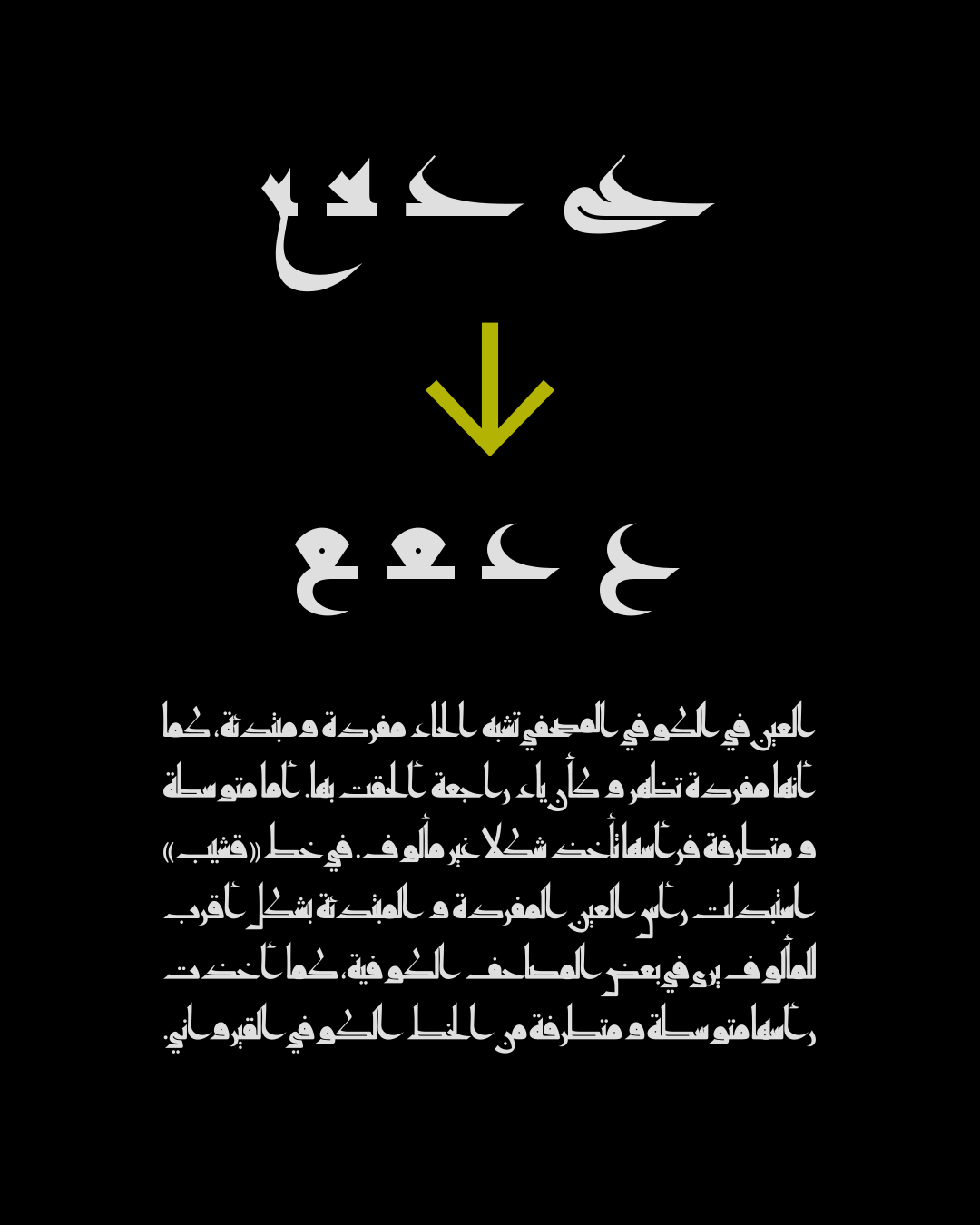
The ain in manuscript Kufic resembles the hah in its isolated and initial forms. Also, in isolated position, it appears, similar to hah, as if a returning yeh has been attached to it. In medial and final positions, its head takes an unfamiliar shape. In Qashib, the head of the isolated and initial ain is replaced with a more familiar form seen in some Kufic Qur’ans, while the medial and final heads are borrowed from Qayrawani Kufic.
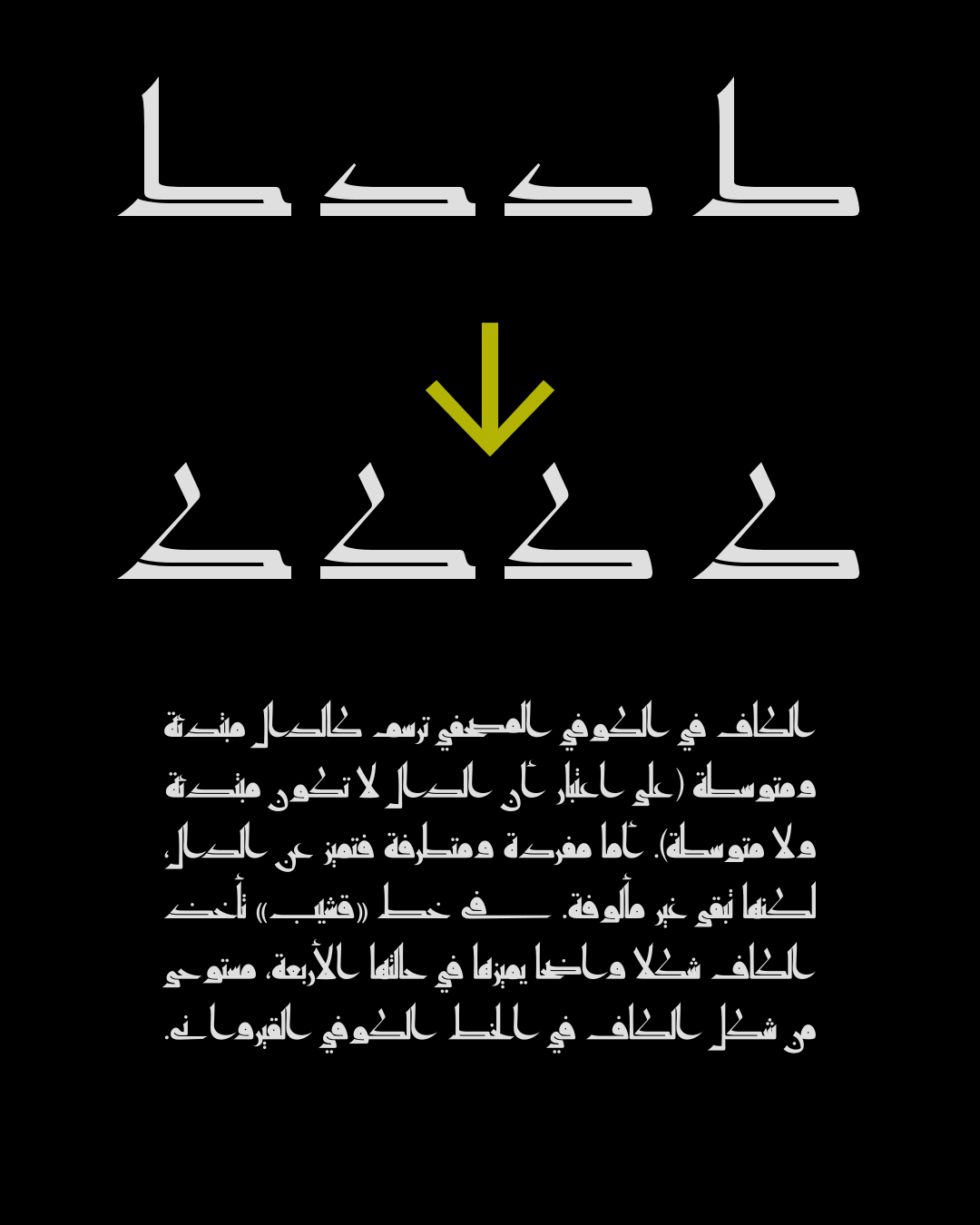
Kaf
The kaf in manuscript Kufic is written like dal in its initial and medial positions (given that dal never takes an initial or medial forms). In its isolated and final positions it differs from dal, but remains unfamiliar. In Qashib, kaf takes a clearer, distinct form in all four positions, inspired by the kaf of Qayrawani Kufic.
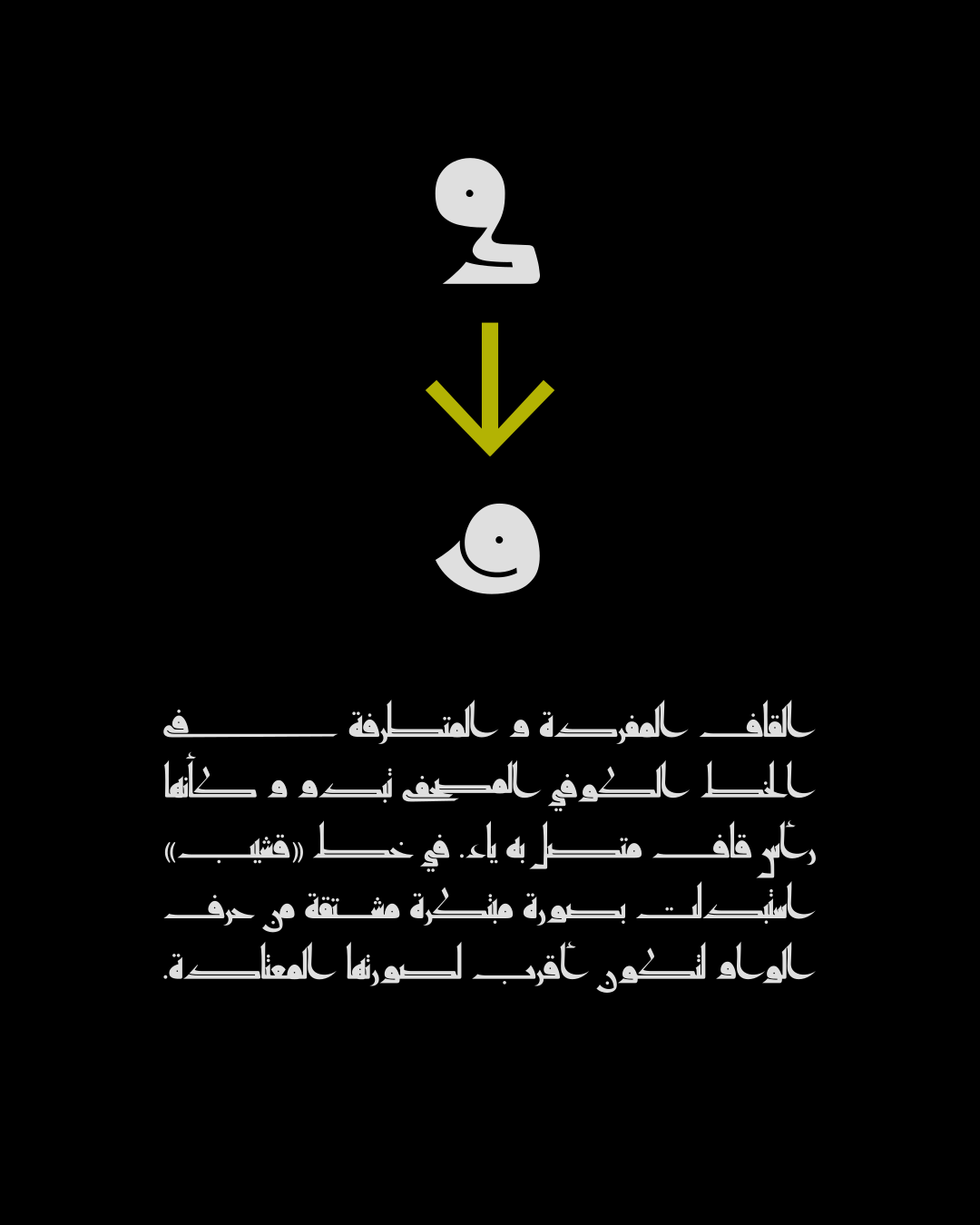
Qaf
The isolated and final qaf in manuscript Kufic appears as if a yeh is attached to a qaf head. In Qashib it is replaced with a novel form derived from the shape of the waw, bringing it closer to its familiar shape.
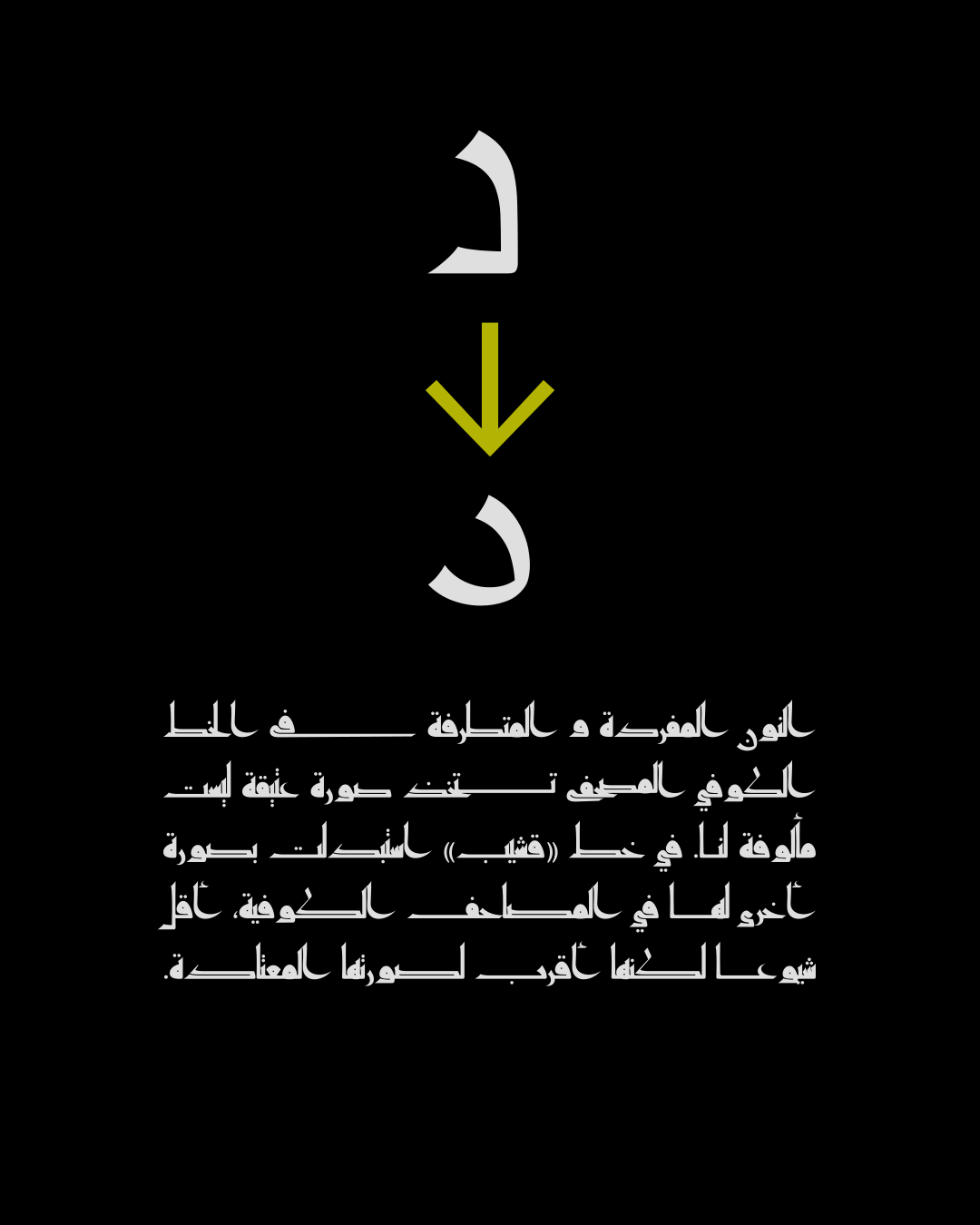
Noon
The isolated and final noon in manuscript Kufic takes an archaic shape unfamiliar to contemporary readers. In Qashib it is replaced with a less common form found in some Kufic Qur’ans, which is closer to its familiar shape.
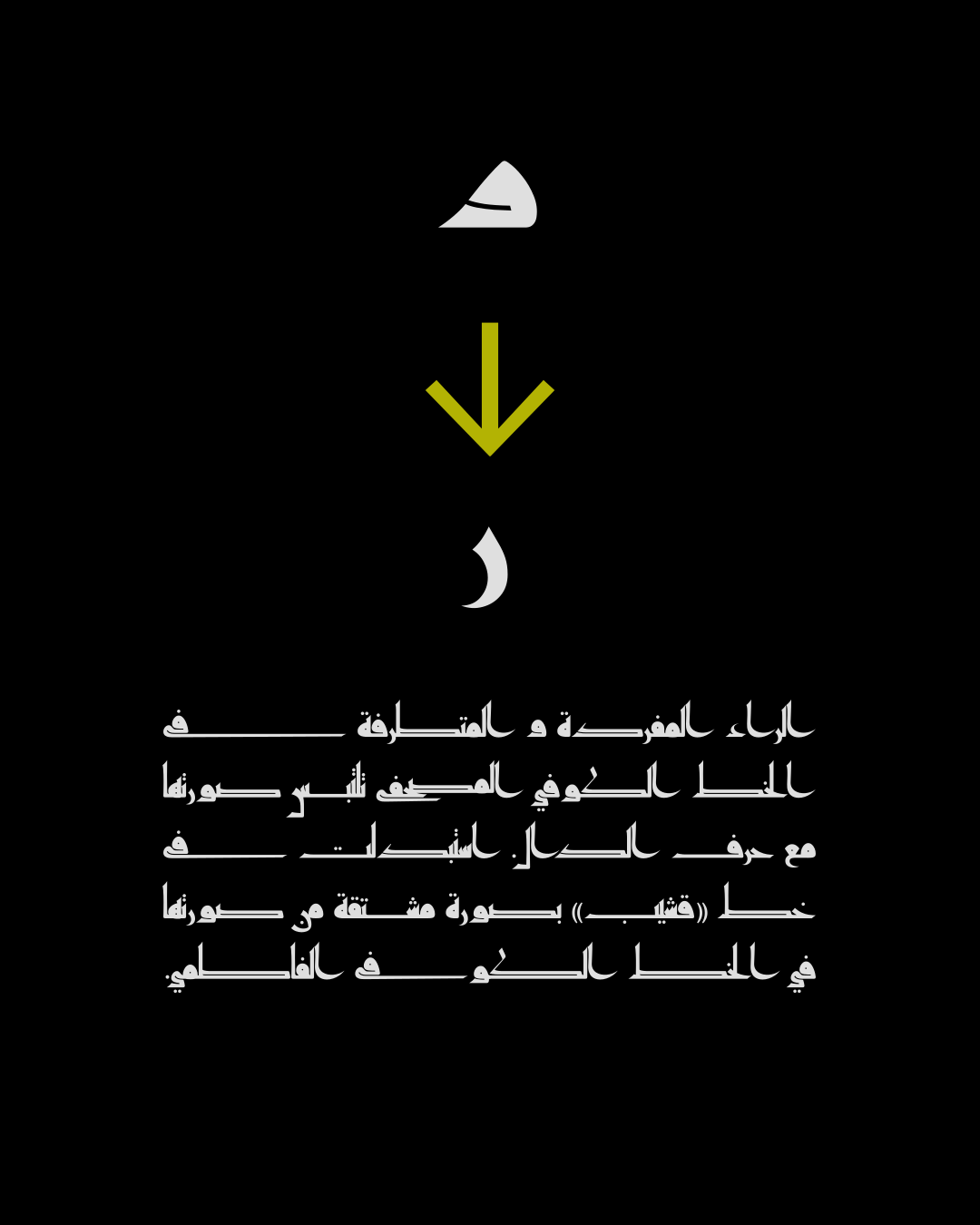
Reh
The isolated and final reh in manuscript Kufic can be confused with modern dal. In Qashib it is replaced with a form derived from its shape in Fatimid Kufic.
Contextual alternates
Qashib contains contextual alternates that are enabled automatically, like raised tooth heights in sequences of three or more beh-like letters, or top attachemnent of letters to hah, or repositioning of dots to avoid clashes, or shape adjustments for certain letter sequences.
Stylistic sets
It also includes a number of stylistic sets that can be enabled manually for richer designs:
ss01— Dot-less Letter Forms- Losses the dots of dotted letters like ـbehـ, ـtehـ, etc.
ss02— Rectangular Dots- Replaces the default round dots with the small rectangular dots characteristic of early Kufic manuscripts.
ss03— Historical Letter Forms- Replaces Qashib’s reshaped letters with their traditional manuscript Kufic forms, without affecting the dot style.
Historical forms
The hist feature switches Qashib to a fully traditional manuscript Kufic appearance, undoing its reshaped letters and using historical dot styles. This is equivalent to enabling ss02 and ss03 together.
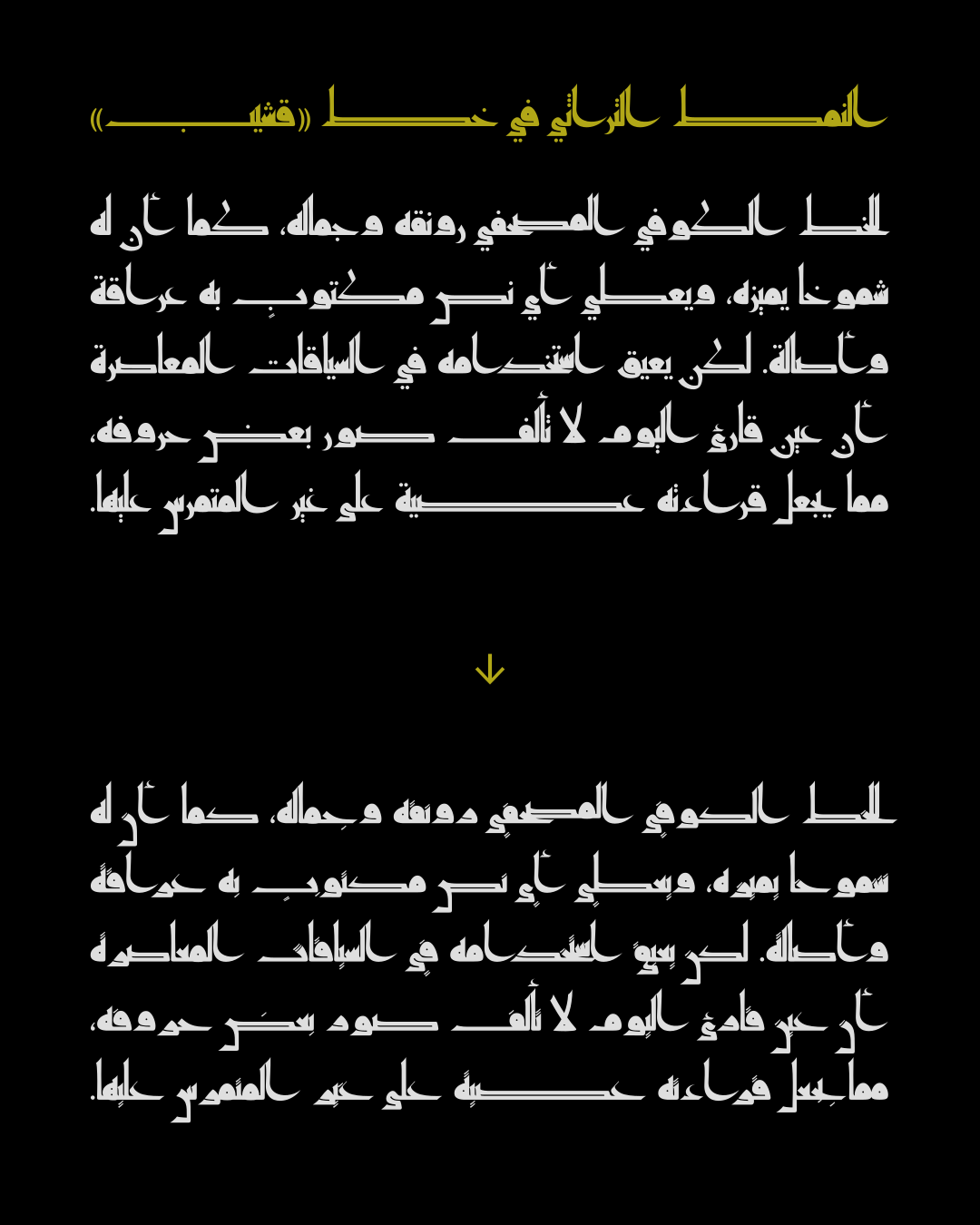
Stylistic alternates
The salt feature provides alternative shapes for selected glyphs.
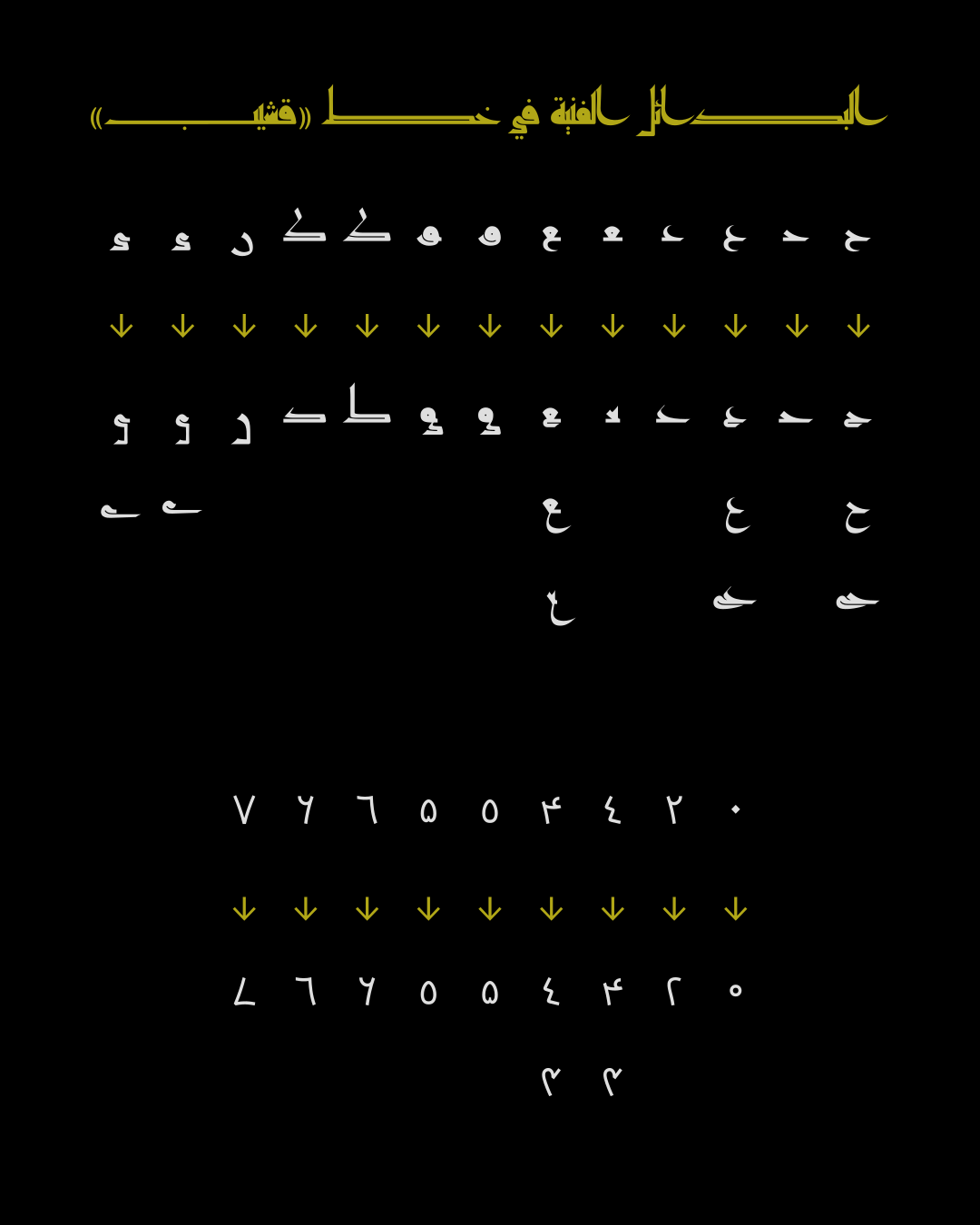
Elongation
Qashib is a variable font with an elongation axis, Mashq (MSHQ), to elongate letters that can be elongated in Kufic, which are dal, tah, kaf, and sad, as well as beh, and feh (only in their initial and medial positions). These letters can expand or shrink as needed. This can be used to justify text without expanding the space between words.
Spacing
Qashib also has a spacing axis, Spacing (SPAC), to control the gap between unconnected letters. The wide Kufic default can be tightened or further widened.